 Image 1 of 1
As AI systems grow larger and more interconnected, moving data efficiently is becoming as important as processing it.
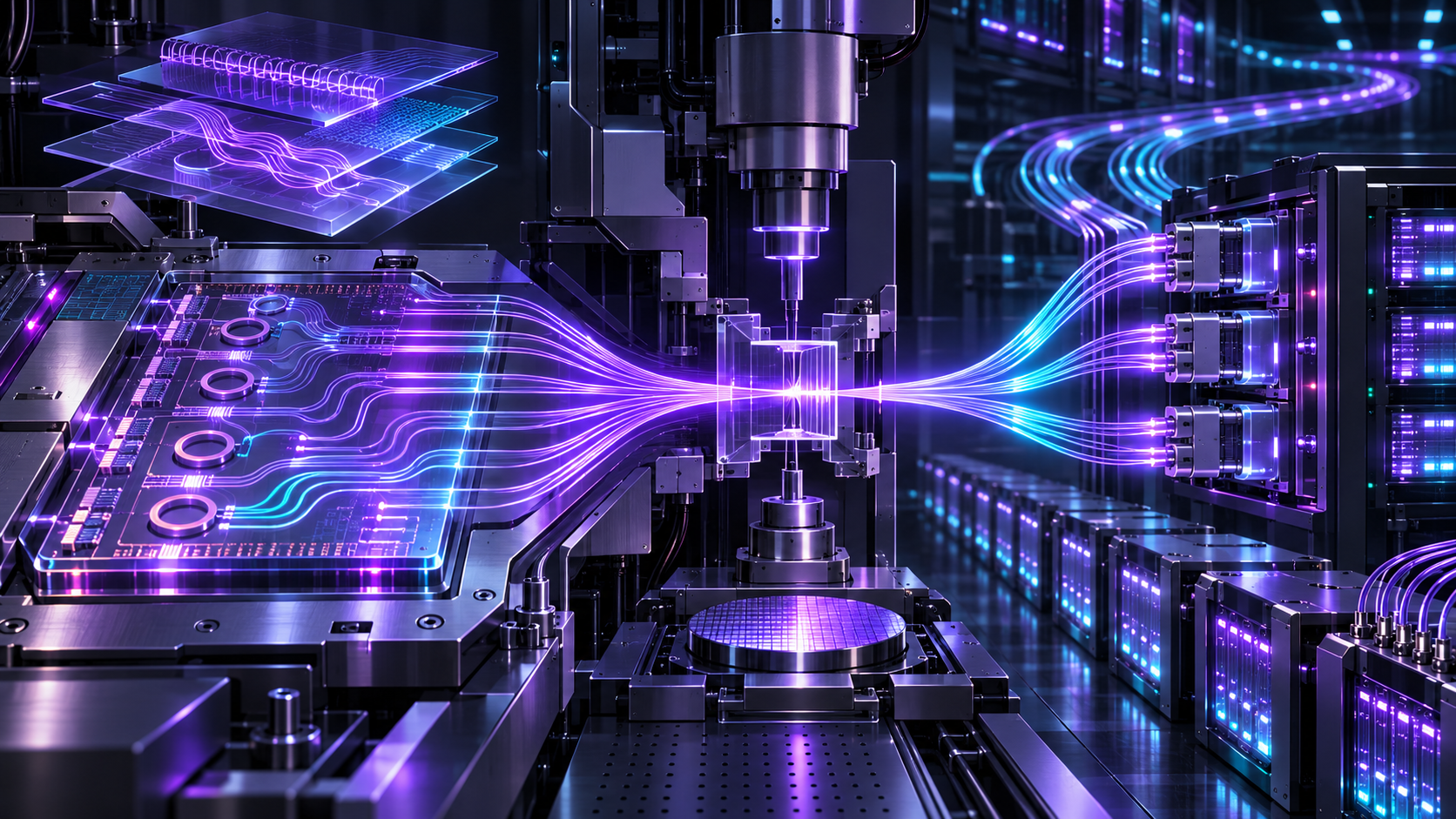
The Photonics Chokepoint examines the transition toward optical interconnects, silicon photonics, co-packaged optics, and emerging three-dimensional photonic integration as potential solutions to the bandwidth, energy, and connectivity limitations of traditional electrical architectures.
The paper explores both the promise and the industrial challenges of photonics, including manufacturing scale, optical alignment, packaging, reliability, and commercialization readiness.
It considers why the ability to move more information with less energy could become a defining factor in the next generation of AI infrastructure—and why the transition to optical technologies may introduce new constraints even as it resolves existing ones.